The sizzle of a steak, the crisping of potatoes, the one-of-a-kind aroma of browning onions - for domicile chefs and experts alike, few matters are as enjoyable as getting that perfect sear. But now not each pan is developed to deal with the punishing temperatures required for this variety of cooking. Enter two contenders with severe claims: Cookcell and HexClad. Both manufacturers combo chrome steel with a nonstick part, promising toughness and comfort in one package deal. Yet while the warmth cranks up, their transformations start to rely.
The Stakes: Why High Heat Matters
Searing isn’t with reference to taste; it’s at the center of numerous processes. Whether you’re deglazing a pan for sauce or aiming for wok hei in stir-fry, prime heat differences what’s you'll in your kitchen. Some pans boast they can do it all, but many fall quick underneath excessive heat. Nonstick coatings can degrade or perhaps launch fumes, while natural stainless can changed into a sticking nightmare.
For someone who desires a unmarried versatile pan that received’t recoil when faced with steak night or a batch of crispy hashbrowns, “cookcell vs hexclad” will become more than just a brand comparability. It’s approximately which investment will hang up meal after meal.
Materials and Design: Where Science Meets Craft
Both Cookcell and HexClad use hybrid creation, fusing layers of stainless steel with a nonstick floor. But how they construct their pans - and what that suggests in prepare - finds the most important distinctions.
Cookcell: Latticework Precision
Cookcell pans characteristic a special honeycomb mesh sample etched into the stainless steel layer that sits above the nonstick coating below. This design physically protects the nonstick from direct contact with utensils and cuisine when nevertheless permitting entry to its unencumber houses.
In hand, Cookcell feels good however no longer unwieldy. The aspects have a comfortable slope, making tossing vegetables hassle-free however still deep satisfactory to incorporate splatters from searing hen thighs or rendering bacon.
HexClad: Raised Ridges and Hybrid Appeal
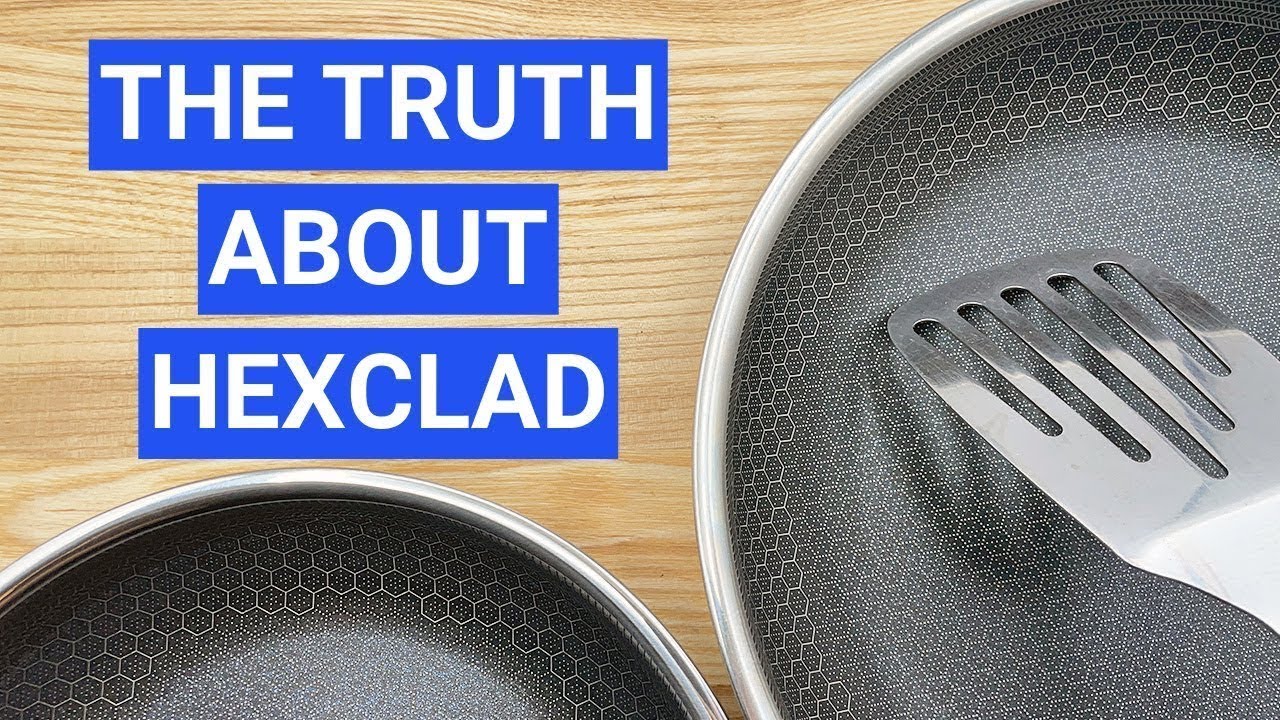
HexClad uses laser etching to create raised hexagonal ridges at the cooking floor. Stainless metallic varieties the peaks; nonstick fills the valleys between them. This way additionally goals to guard the coating from abrasion even as exposing constituents of naked steel for bigger browning.
HexClad’s pans have relatively steeper partitions in comparison to Cookcell’s primary skillet, which helps shop foodstuff contained all through lively stirring or flipping. The weight is an identical; the two strains are heftier than budget nonsticks yet lighter than cast iron.
What Happens When You Crank Up the Heat?
Let’s get practical: how do these pans behave in the event you positioned them as a result of genuine excessive-heat exams? To reply that, I ran equally traces as a result of a number of staples: dry-seared steak, oven ending at 500°F (260°C), sautéed veggies over greatest burner output, and cleaning after stuck-on bits.
Steak Searing Showdown
I begun with two ribeye steaks of well-nigh equal dimension and fats content material - one for each and every pan, either preheated over prime gasoline flame until eventually water droplets danced (the vintage Leidenfrost scan). Oil shimmered briefly in equally pans.
On touch, every single steak gave an fast sizzle. After 3 minutes undisturbed:
- Cookcell: Released certainly with best minor sticking around fatty edges. Developed mentioned grill-like marks due to its honeycomb development. HexClad: Also launched cleanly; browning became even across such a lot surfaces except for for a few lighter spots in which meat didn’t press completely into valleys among ridges.
When flipped and comprehensive in a 500°F oven for five greater mins (a favourite chef cross), neither pan warped nor showed indicators of discoloration beyond envisioned patina differences on stainless areas.
Sautéing Vegetables Over High Heat
Here’s in which sophisticated modifications emerged. Sliced bell peppers and onions went into hot oil:
- Cookcell: Allowed aggressive stirring with no difficulty; nothing stuck after quite a few minutes on high warm. HexClad: Performed similarly but appeared greater at risk of micro sticking in which small bits wedged between ridges.
Both wiped clean up surely after cooling down - no burnt residue clinging stubbornly as normally takes place with common nonstick at high temp.
Nonstick Longevity Under Stress
Heat testing is one element; sturdiness over months is another story https://blogfreely.net/reiddapunh/cookcell-vs-hexclad-which-hybrid-pan-is-worth-your-money solely.
My own trip aligns with reports from different cooks: repeated exposure to extreme temperatures eventually wears down any nonstick floor, no matter defense schemes like honeycomb or hexagonal ridges. However:
- My Cookcell skillet persisted freeing eggs fantastically after six months of weekly searing periods. The HexClad held up basically as nicely however built faint tough spots where nonstick had thinned alongside ridge edges by way of month 8 (with near-daily use).
Neither pan failed outright all the way through this period - the two a ways outlasted normal supermarket nonsticks uncovered to related abuse - however whenever you recurrently push your cookware laborious above medium-prime warmth, are expecting a few obvious ageing over time.
Handling and Comfort: Everyday Usability Counts
High-functionality resources don’t mean much while you dread making a choice on up your pan on a daily basis. These small print would look minor until you’re juggling sizzling handles or pouring pan sauces late at nighttime.
Weight Distribution
Both pans believe reassuringly extensive devoid of being wrist-breakers. For context:
- A 10-inch Cookcell skillet facts my scale at just beneath 2 pounds. The equal HexClad is available in barely heavier at about 2 pounds 4 oz..
The big difference is slight but obvious when doing lots of tossing or pouring off fats after searing meat.
Handles Stay Cooler Than Expected
Neither line uses reliable steel stick handles like classic French skillets; as a replacement they elect hollowed designs that dwell cool longer on stovetop burners (however all bets are off inside an oven). After fifteen minutes on medium-prime fuel flame:
- Cookcell’s deal with stayed simply hot. HexClad’s grew warmer sooner close the bottom but remained touchable in addition out closer to its end cap.
This topics so much whenever you most often go your pan between stove and oven mid-recipe - preserving an oven mitt convenient is still intelligent for both manufacturer when broiling or roasting above 400°F (204°C).
Edge Cases: When Pans Are Pushed Beyond Their Limits
No piece of cookware is rather indestructible. Here are true-life eventualities where each contender suggests designated strengths - or weaknesses:
If you accidentally crank your burner too prime and stroll away mid-preheat (it happens), each pans can survive dry heating enhanced than maximum Teflon-lined competition on account of their effective stainless shape under the hybrid floor. That pointed out, letting any hybrid pan smoke unattended risks harmful even those reinforced coatings over the years.
When by way of steel spatulas for smashburgers or scraping fond after deglazing wine sauce, neither producer recommends competitive gouging motions notwithstanding their claims of “metallic utensil secure” surfaces. In my exams, slight stress left no marks on both surface during recurring flipping - yet deliberate scraping may want to scratch simply by shielding layers sooner or later if completed time and again.
For induction range vendors curious approximately responsiveness: either pans heated abruptly even though HexClad edged out Cookcell with the aid of more or less ten seconds accomplishing full temperature on my transportable induction hob thanks per chance to its somewhat thicker magnetic base layer.
Cleaning Up After High Heat Adventures
After punishing equally pans with the aid of sauces that reduced down sticky sugars and proteins at roaring heat tiers, I found cleanup refreshingly hassle-free when put next to old-school stainless workhorses I’ve used in eating place kitchens:
Rinsing under sizzling water right this moment loosened most residue from the two surfaces devoid of scrubbing necessary unless something had carbonized utterly - which solely came about once when I forgot onions for practically ten minutes on max vigour (my fault). Even then, plastic scrubbers made swift paintings with out marring both conclude considerably.
Dishwasher use is technically allowed via both brands’ warranties nevertheless established cycles can dull finishes speedier than hand washing on my own in accordance with lengthy-term person anecdotes on-line and my personal edge-by-part trials over six months' everyday use in keeping with brand recommendations.
Occasional seasoning with neutral oil after cleansing appears pointless the following when you consider that neither floor relies on polymerized fats like cast iron does; functionality remained secure regardless as soon as very well dried submit-wash.
Versatility Across Cooking Styles
While our awareness the following leans towards searing at serious temperatures (“cookcell vs hexclad” in most cases comes up among grilling lovers), versatility out of doors this area of interest additionally matters:
Omelets slid unfastened from each pans without further butter so long as preheated lightly first. Tomato-headquartered sauces did now not cause steel flavors in either sort because of their excellent stainless interiors. Broiling fish fillets labored acceptably regardless that direct contact with heating points risked warping any hybrid cookware if left too close too lengthy. Baked cornbread released intact from Cookcell’s honeycomb sample extra reliably than from HexClad’s deeper ridges which infrequently stuck batter alongside valley edges. For stir-frying Asian dishes requiring wok-like behavior at blazing warmness neither line suits excellent carbon metal woks’ velocity but they come closer than standard ceramic-coated competitors attributable to fast vitality switch simply by their bases.
Comparing Price Points and Value Propositions
Price ordinarily settles debates when efficiency proves close enough for convenience - specifically if equipping a full kitchen in place of upgrading simply one piece at a time.
As of early 2024 retail pricing:
- A average 10-inch Cookcell skillet probably sells among $80-$120 based on promotions or 0.33-get together sellers. Equivalent HexClad sizes list larger at $a hundred thirty-$160 although known on line income also can narrow this hole notably right through holiday intervals or direct-from-organization bundles. Both characterize really good enhancements over $30 big-box keep features but continue to be more affordable (and arguably greater versatile) than premium copper-center tri-ply traces coming on $300 apiece prior to tax. Warranty coverage is comparable as nicely: confined lifetime against production defects awarded elementary care classes are adopted (restrict thermal shocks equivalent to plunging sizzling pans into cold water). Practical importance is dependent on frequency of top heat use as opposed to prefer for absolute ease-of-cleanup beneath gentler prerequisites.
A Quick Reference Table
For those weighing specifications side-with the aid of-facet in preference to stories alone:
| Feature | Cookcell | HexClad | |------------------------|------------------------------|----------------------------------| | Surface Design | Honeycomb mesh | Laser-etched hexagon ridges | | Oven Safe Temp | Up to 500°F / 260°C | Up to 500°F / 260°C | | Induction Compatible | Yes | Yes | | Typical Weight (10”) | ~2 lbs | ~2 lbs 4 oz | | Nonstick Durability | Excellent | Very Good | | Price Range | $eighty-$a hundred and twenty | $a hundred thirty-$a hundred and sixty | | Warranty | Limited Lifetime | Limited Lifetime |
Choosing Between Cookcell vs HexClad: Practical Takeaways
Decision time basically boils right down to delicate priorities in place of seen winners via knockout punch. Here are 5 centered takeaways well worth considering that until now doling out salary:
Both excel lower than high heat a ways bigger than legacy Teflon-trend nonsticks but finally train wear after relentless day to day abuse above medium-high settings. If ambitious grill marks allure visually – say for steaks or smashed burgers – Cookcell’s mesh layout can provide sharper styles even though minimizing sticking hazard even throughout aggressive turns. For those that choose even browning across refined proteins like fish fillets or wish barely upper sidewalls for saucier dishes, HexClad holds a modest side in versatility notwithstanding trickier cleansing along valley ridges repeatedly obligatory in a while. Budget-wide awake cooks may perhaps lean closer to Cookcell until bundled bargains deliver HexClad within reach – noticeably given that functionality modifications turn out marginal under so much homestead stipulations unless pushed very not easy week after week. Neither brand really replaces distinctiveness gear like cast iron griddles for intense crusts nor carbon steel woks for lightning-speedy stir-fry – however they fill an sizeable middle ground remarkably good if you crave truely do-it-all cookware that shrugs off extreme burner abuse superior than such a lot rivals on at this time’s market. For the ones nonetheless torn between “cookcell vs hexclad,” my possess kitchen now services one of each – evidence there isn’t at all times a single best suited solution such a lot as looking what fits your taste most effective as soon as all industry-offs are weighed by hand instead of hype alone.